Adolescent Problems
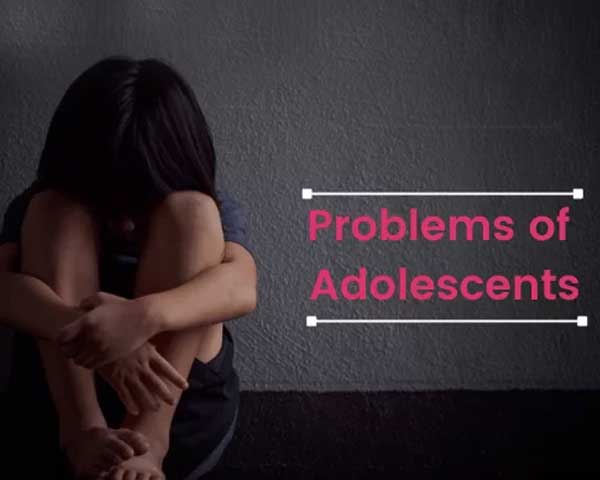
Adolescence is a critical and transformative period in a person's life, marked by physical, emotional, and social changes. While many adolescents navigate this period smoothly, some may face various challenges. Here are some common adolescent problems and their details:
-
Identity and Self-Esteem Issues:
Adolescents often grapple with questions related to their identity, self-worth, and self-image. The search for identity may involve exploring personal values, beliefs, and understanding one's place in the world. -
Peer Pressure:
Adolescents may face pressure from peers to conform to certain behaviors, attitudes, or norms. Peer pressure can influence decisions related to academics, relationships, and even risky behaviors. -
Mental Health Concerns:
Adolescence is a vulnerable period for the development of mental health issues, such as anxiety and depression. Academic stress, family issues, and social pressures can contribute to mental health challenges. -
Bullying:
Bullying, whether in-person or online, is a significant problem during adolescence. It can have severe consequences on mental health and may lead to social isolation or, in extreme cases, self-harm. -
Academic Stress:
Pressure to perform academically, along with the uncertainty about the future, can contribute to stress and anxiety. Balancing academic demands with extracurricular activities and personal life can be challenging. -
Substance Abuse:
Some adolescents may experiment with or develop dependencies on substances like alcohol or drugs. Substance abuse can lead to physical and mental health issues and negatively impact academic and social functioning. -
Body Image and Eating Disorders:
Adolescents may struggle with body image concerns, leading to the development of eating disorders such as anorexia or bulimia. Societal expectations and media influences can contribute to unrealistic body standards. -
Sexual Health and Relationships:
Adolescents navigate the complexities of developing romantic and sexual relationships. Issues may include consent, safe sex practices, and understanding emotions associated with relationships. -
Family Conflicts:
Changes in family dynamics, coupled with adolescents seeking independence, can lead to conflicts. Communication breakdowns may occur as adolescents strive for autonomy. -
Technology and Screen Time:
Excessive screen time, social media use, and exposure to online content can impact mental health and contribute to feelings of inadequacy.
Addressing adolescent problems requires a holistic approach involving parents, educators, healthcare professionals, and the adolescents themselves. Open communication, empathy, and providing a supportive environment are crucial in helping adolescents navigate these challenges successfully. If problems persist or worsen, seeking professional help, such as counseling or therapy, may be beneficial.
Service
- Ectopic Pregnancy ↗
- Endometriosis ↗
- Menopause ↗
- Menstrual Problems ↗
- Abnormal Vaginal Discharge ↗
- Premenstrual Syndrome (PMS) ↗
- Fibroids ↗
- Ovarian Cyst ↗
- PCOS / PCOD ↗
- Uterine Prolapse ↗
- Breast Diseases ↗
- Stress Urinary Incontinence ↗
- Adolescent Problems ↗
- Laparoscopic Hysterectomy ↗
- Ovarian Cystectomy ↗
- Vaginal Prolapse ↗