Premenstrual Syndrome (PMS)
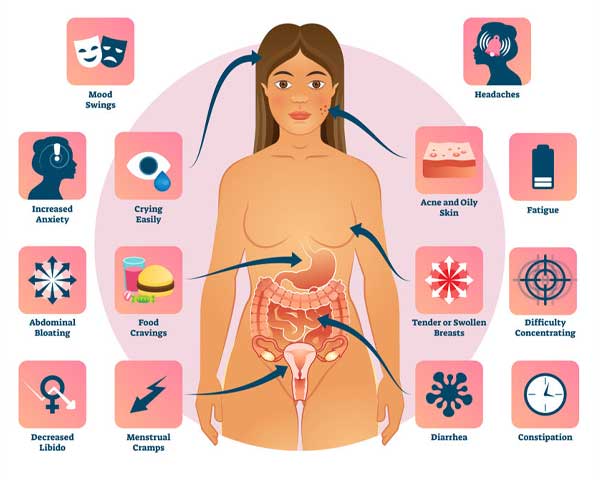
Premenstrual Syndrome (PMS) is a common condition that affects many women during the days leading up to their menstrual periods. It encompasses a range of physical and emotional symptoms, and while the severity varies from person to person, understanding and managing these symptoms is crucial for overall well-being.
Key Symptoms:
Mood Swings:
- Women with PMS often experience mood swings, ranging from irritability and anxiety to sadness and even anger.
- Hormonal fluctuations during the menstrual cycle contribute to these emotional changes.
Physical Discomfort:
- Bloating, breast tenderness, and abdominal discomfort are common physical symptoms associated with PMS.
- Water retention can contribute to bloating, and hormonal changes affect breast tissue, causing tenderness.
Fatigue:
- Many women report feeling more fatigued than usual during the premenstrual phase.
- Hormonal changes can impact sleep patterns and energy levels.
Food Cravings and Changes in Appetite:
- PMS may be linked to changes in appetite, with some women experiencing cravings for specific foods, especially those high in carbohydrates.
- Dietary choices can influence mood and energy levels.
Management Strategies:
Healthy Lifestyle Choices:
- Regular exercise has been shown to alleviate PMS symptoms by promoting overall well-being and reducing stress.
- A balanced diet with an emphasis on whole foods can positively impact mood and energy levels.
Stress Management:
- Stress can exacerbate PMS symptoms, so adopting stress-reducing practices such as meditation, deep breathing exercises, or yoga can be beneficial.
Dietary Modifications:
- Limiting caffeine, alcohol, and salty foods may help reduce bloating and discomfort.
- Increasing intake of fruits, vegetables, and whole grains supports overall health.
Medical Interventions:
- In severe cases, medical interventions such as hormonal contraceptives or medications may be recommended.
- Consultation with a healthcare professional is essential to determine the most appropriate treatment.
Conclusion:
While PMS is a common and often challenging aspect of the menstrual cycle, adopting a holistic approach to health can significantly alleviate its impact. By making lifestyle adjustments, managing stress, and seeking professional guidance when needed, women can empower themselves to navigate the premenstrual phase with greater ease and well-being. It's important to recognize that individual experiences of PMS vary, and a personalized approach to symptom management is key.
Service
- Ectopic Pregnancy ↗
- Endometriosis ↗
- Menopause ↗
- Menstrual Problems ↗
- Abnormal Vaginal Discharge ↗
- Premenstrual Syndrome (PMS) ↗
- Fibroids ↗
- Ovarian Cyst ↗
- PCOS / PCOD ↗
- Uterine Prolapse ↗
- Breast Diseases ↗
- Stress Urinary Incontinence ↗
- Adolescent Problems ↗
- Laparoscopic Hysterectomy ↗
- Ovarian Cystectomy ↗
- Vaginal Prolapse ↗