Stress Urinary Incontinence
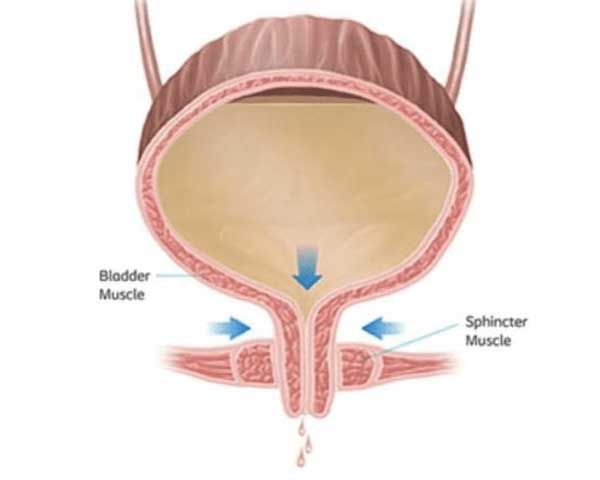
Stress Urinary Incontinence (SUI) is a common condition, particularly among women, characterized by the unintentional leakage of urine during activities that increase abdominal pressure, such as coughing, sneezing, laughing, or physical exertion. Here's a detailed overview of stress urinary incontinence:
Causes and Risk Factors
- Weak pelvic floor muscles: The pelvic floor muscles and tissues support the bladder and urethra. Weakness can lead to inadequate control over urinary function.
- Childbirth: Vaginal childbirth can stretch and damage the pelvic floor muscles.
- Aging: The natural aging process can contribute to muscle and tissue weakening.
- Hormonal changes: Reduced estrogen levels, especially during menopause, can affect the strength and elasticity of the pelvic tissues.
Symptoms
- Involuntary urine leakage during activities that increase abdominal pressure.
- Sudden urge to urinate.
- Frequent urination.
Diagnosis
- Medical history and physical examination.
- Urinalysis to rule out other potential causes.
- Urodynamic testing to assess bladder function and urine leakage patterns.
Conservative Management
- Pelvic floor exercises (Kegel exercises) to strengthen the muscles.
- Lifestyle modifications, such as weight management and avoiding bladder irritants like caffeine and alcohol.
- Bladder training to improve control over urination.
Medical Interventions
- Medications: Some medications may be prescribed to improve bladder function and control.
- Pessaries: Devices inserted into the vagina to support the bladder and reduce leakage.
Surgical Options
- Sling procedures: A supportive sling is placed around the urethra to provide additional support.
- Bladder neck suspension: Surgical techniques to lift and support the bladder neck.
Impact on Quality of Life
Stress urinary incontinence can significantly affect an individual's daily activities, social life, and emotional well-being.
Prevention
- Regular pelvic floor exercises, especially during and after pregnancy.
- Maintaining a healthy weight.
- Seeking prompt medical attention for symptoms to prevent progression.
Addressing Emotional Aspects
Stress urinary incontinence can lead to embarrassment and reduced self-esteem. Encouraging open communication and seeking emotional support is crucial.
Seeking Professional Help
Individuals experiencing symptoms of stress urinary incontinence should consult healthcare professionals for a proper diagnosis and personalized treatment plan.
Service
- Ectopic Pregnancy ↗
- Endometriosis ↗
- Menopause ↗
- Menstrual Problems ↗
- Abnormal Vaginal Discharge ↗
- Premenstrual Syndrome (PMS) ↗
- Fibroids ↗
- Ovarian Cyst ↗
- PCOS / PCOD ↗
- Uterine Prolapse ↗
- Breast Diseases ↗
- Stress Urinary Incontinence ↗
- Adolescent Problems ↗
- Laparoscopic Hysterectomy ↗
- Ovarian Cystectomy ↗
- Vaginal Prolapse ↗