Uterine Fibroid Specialist in Yamuna Nagar
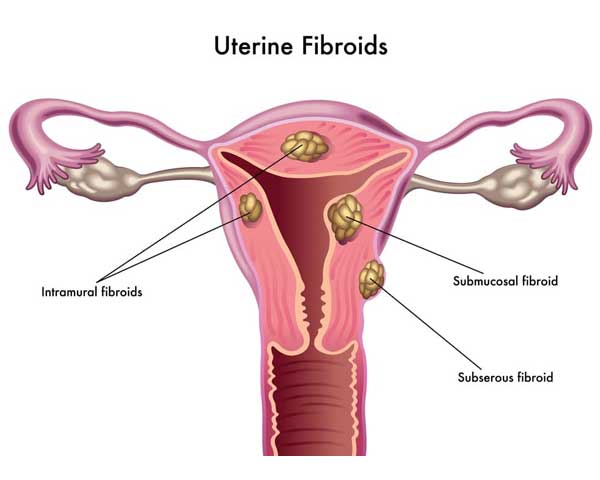
Fibroids, also known as uterine leiomyomas or myomas, are noncancerous growths of the uterus that often appear during childbearing years. These muscular tumors can vary in size, ranging from tiny seedlings that are undetectable by the human eye to large masses that can distort the shape and size of the uterus.
Causes and Risk Factors
The exact cause of fibroids remains unclear, but certain risk factors contribute to their development. Hormonal fluctuations, particularly elevated levels of estrogen and progesterone, are believed to play a role. Other factors include family history, race (African-American women are at a higher risk), and obesity.
Symptoms
Many women with fibroids may remain asymptomatic, but for others, the presence of these tumors can lead to a range of symptoms. Common signs include heavy menstrual bleeding, prolonged periods, pelvic pain or pressure, frequent urination, and backache. The severity of symptoms can vary depending on the size, number, and location of the fibroids.
Diagnosis
Diagnosing fibroids often involves a combination of pelvic exams, imaging tests such as ultrasounds or MRIs, and in some cases, a hysteroscopy or laparoscopy for a more detailed view of the uterus.
Treatment Options
Treatment for fibroids depends on the severity of symptoms, the size of the fibroids, and the individual's overall health. Options include medication to control symptoms, hormonal therapy to shrink fibroids, and various surgical procedures, such as myomectomy (removal of the fibroids) or hysterectomy (removal of the uterus).
Lifestyle Management
In addition to medical interventions, certain lifestyle changes can help manage fibroid symptoms. Maintaining a healthy weight, exercising regularly, and adopting a well-balanced diet rich in fruits, vegetables, and whole grains may contribute to overall well-being.
Service
- Ectopic Pregnancy ↗
- Endometriosis ↗
- Menopause ↗
- Menstrual Problems ↗
- Abnormal Vaginal Discharge ↗
- Premenstrual Syndrome (PMS) ↗
- Fibroids ↗
- Ovarian Cyst ↗
- PCOS / PCOD ↗
- Uterine Prolapse ↗
- Breast Diseases ↗
- Stress Urinary Incontinence ↗
- Adolescent Problems ↗
- Laparoscopic Hysterectomy ↗
- Ovarian Cystectomy ↗
- Vaginal Prolapse ↗