Vaginal Prolapse
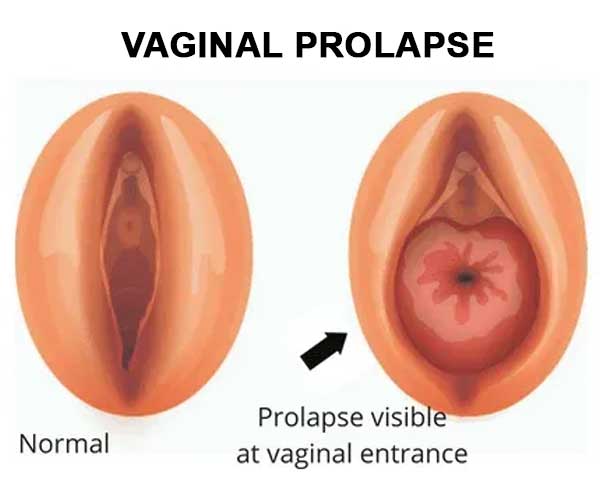
Vaginal prolapse, also known as pelvic organ prolapse, occurs when the structures supporting the pelvic organs, such as the bladder, uterus, or rectum, weaken or stretch, leading to a descent of one or more of these organs into the vaginal canal. This condition can affect women of all ages, but it is more common in older women, particularly those who have given birth multiple times or experienced menopause.
Types of Vaginal Prolapse:
- Cystocele (Anterior Prolapse): This involves the descent of the bladder into the vaginal canal. It is often associated with stress incontinence and a bulging sensation in the front wall of the vagina.
- Rectocele (Posterior Prolapse): In this type, the rectum bulges into the back wall of the vagina. Women with rectocele may experience difficulty with bowel movements and a feeling of rectal fullness.
- Uterine Prolapse: Uterine prolapse occurs when the uterus descends into the vaginal canal. This can happen after childbirth, especially in women who have had multiple pregnancies, and may lead to a feeling of pelvic pressure.
- Enterocele: This involves the small intestine pushing into the upper portion of the vagina, creating a pouch-like bulge. Enterocele is less common but can cause discomfort and difficulty with bowel movements.
Causes:
- Childbirth: The strain of vaginal childbirth, especially multiple deliveries, can weaken the pelvic floor muscles and contribute to prolapse.
- Aging: The natural aging process can lead to a reduction in collagen and elasticity of the pelvic tissues, making them more prone to prolapse.
- Menopause: The decline in estrogen levels during menopause can contribute to a loss of pelvic muscle tone.
- Chronic Straining: Conditions that involve chronic straining, such as chronic constipation or heavy lifting, can increase the risk.
- Genetics: Some women may have a genetic predisposition to weaker connective tissues, making them more susceptible to prolapse.
Symptoms:
- Sensation of pelvic pressure or fullness.
- Vaginal bulging or protrusion.
- Difficulty with bowel movements.
- Problems with urinary function, including stress incontinence.
- Lower backache.
- Discomfort or pain during sexual intercourse.
Treatment:
Conservative Measures:
- Pelvic floor exercises (Kegel exercises) to strengthen the pelvic muscles.
- Lifestyle modifications, such as weight management and avoiding heavy lifting.
Pessaries:
- These are devices inserted into the vagina to provide structural support and alleviate symptoms.
Hormone Replacement Therapy (HRT):
- For postmenopausal women, HRT may be recommended to improve tissue elasticity.
Surgery:
- Surgical intervention may be considered for more severe cases or when conservative measures are ineffective. Procedures can include vaginal or abdominal approaches to repair and support the pelvic organs.
Prevention:
- Regular pelvic floor exercises, especially during and after pregnancy.
- Maintaining a healthy weight.
- Avoiding heavy lifting.
- Treating and managing chronic constipation.
Women experiencing symptoms of vaginal prolapse should consult with a healthcare provider for a proper diagnosis and personalized treatment plan. The choice of treatment will depend on the severity of the prolapse, the specific organs involved, and the impact on a woman's quality of life.
Service
- Ectopic Pregnancy ↗
- Endometriosis ↗
- Menopause ↗
- Menstrual Problems ↗
- Abnormal Vaginal Discharge ↗
- Premenstrual Syndrome (PMS) ↗
- Fibroids ↗
- Ovarian Cyst ↗
- PCOS / PCOD ↗
- Uterine Prolapse ↗
- Breast Diseases ↗
- Stress Urinary Incontinence ↗
- Adolescent Problems ↗
- Laparoscopic Hysterectomy ↗
- Ovarian Cystectomy ↗
- Vaginal Prolapse ↗