Best Gynae Laparoscopic Surgeon in Yamuna Nagar
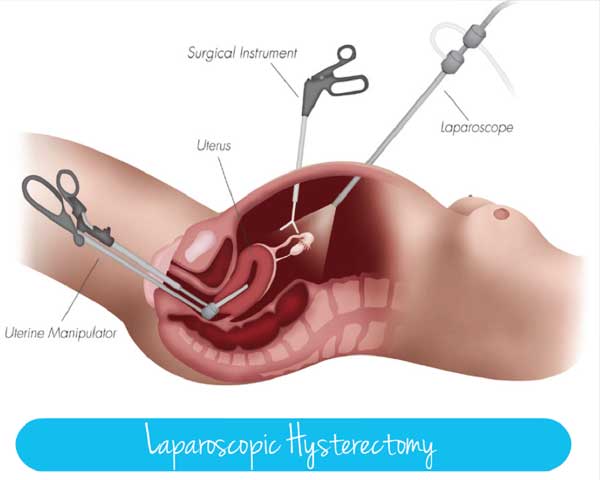
Laparoscopic hysterectomy is a minimally invasive surgical procedure used to remove the uterus. This surgical approach involves making small incisions in the abdominal wall through which a laparoscope and other specialized instruments are inserted. The laparoscope is a thin, lighted tube with a camera on the end, allowing the surgeon to visualize the pelvic organs on a monitor.
Here are some key details about laparoscopic hysterectomy:
Indications:
- Uterine Conditions: Laparoscopic hysterectomy is often recommended for various uterine conditions, including uterine fibroids, endometriosis, chronic pelvic pain, abnormal bleeding, and certain cancers.
- Gynecologic Cancers: It may be performed for gynecologic cancers such as uterine, ovarian, or cervical cancer.
Procedure:
- Anesthesia: The patient is placed under general anesthesia to ensure unconsciousness and pain control during the surgery.
- Incisions: Small incisions, typically ranging from 0.5 to 1.5 centimeters, are made in the abdominal wall.
- Gas Insufflation: Carbon dioxide gas is used to inflate the abdominal cavity, creating space for the surgeon to work.
- Laparoscope Insertion: The laparoscope is inserted through one of the incisions to visualize the pelvic organs.
- Instrument Insertion: Additional instruments are inserted through the other incisions to manipulate and remove the uterus.
- Uterus Removal: The uterus is detached from surrounding tissues and blood vessels and then removed in smaller, manageable pieces.
- Closure: Incisions are closed with stitches or surgical tape.
Advantages:
- Minimally Invasive: Laparoscopic hysterectomy is less invasive than traditional open surgery, resulting in smaller incisions, reduced blood loss, and shorter recovery times.
- Faster Recovery: Patients generally experience less pain and a quicker recovery compared to open procedures.
- Reduced Scarring: The smaller incisions result in less noticeable scars.
Risks and Considerations:
- Infection: As with any surgical procedure, there is a risk of infection.
- Bleeding: While laparoscopic hysterectomy typically involves less bleeding than open surgery, excessive bleeding is still a possible complication.
- Organ Injury: There is a slight risk of injury to surrounding organs during the surgery.
- Conversion to Open Surgery: In some cases, the surgeon may need to convert to an open procedure if complications arise.
Recovery:
- Hospital Stay: Patients may stay in the hospital for a day or two, depending on the extent of the surgery.
- Return to Normal Activities: Recovery times vary, but most women can return to normal activities within a few weeks.
- Follow-Up: Regular follow-up appointments are scheduled to monitor healing and address any concerns.
It's important to note that the specific details of a laparoscopic hysterectomy may vary based on the patient's medical history, the reason for the procedure, and the surgeon's approach. Patients should consult with their healthcare providers to discuss the best treatment options for their individual needs.
Service
- Ectopic Pregnancy ↗
- Endometriosis ↗
- Menopause ↗
- Menstrual Problems ↗
- Abnormal Vaginal Discharge ↗
- Premenstrual Syndrome (PMS) ↗
- Fibroids ↗
- Ovarian Cyst ↗
- PCOS / PCOD ↗
- Uterine Prolapse ↗
- Breast Diseases ↗
- Stress Urinary Incontinence ↗
- Adolescent Problems ↗
- Laparoscopic Hysterectomy ↗
- Ovarian Cystectomy ↗
- Vaginal Prolapse ↗