Menstrual Problems
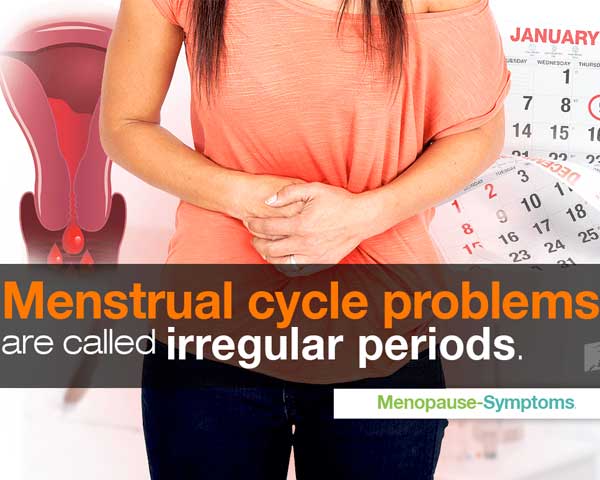
Menstrual problems encompass a range of conditions that can affect the menstrual cycle, causing irregularities, pain, or other discomfort. It's important to note that variations in menstrual cycles are normal, but persistent or severe issues may warrant medical attention. Here's detailed content covering common menstrual problems:
Menstrual Problems: Understanding and Managing
-
Irregular Menstrual Cycles:
Definition: Irregular menstrual cycles involve variations in the length of the menstrual cycle or unexpected changes in menstrual flow.
Causes: Hormonal imbalances, stress, significant weight changes, and certain medical conditions can contribute to irregular cycles.
Management: Keeping a menstrual diary, maintaining a healthy lifestyle, and consulting with a healthcare professional for a thorough evaluation. -
Dysmenorrhea (Menstrual Cramps):
Definition: Dysmenorrhea refers to painful menstrual cramps, often felt in the lower abdomen.
Causes: Uterine contractions triggered by the release of prostaglandins during menstruation.
Management: Pain relief medications, heat therapy, regular exercise, and lifestyle adjustments. -
Heavy Menstrual Bleeding (Menorrhagia):
Definition: Menorrhagia involves excessive menstrual bleeding that lasts longer than seven days or requires frequent changing of sanitary products.
Causes: Hormonal imbalances, uterine fibroids, or underlying medical conditions.
Management: Hormonal medications, intrauterine devices (IUDs), or surgical interventions. -
Amenorrhea:
Definition: Amenorrhea is the absence of menstrual periods, which can be primary (never started) or secondary (stopped after regular cycles).
Causes: Pregnancy, hormonal imbalances, excessive exercise, stress, or underlying medical conditions.
Management: Addressing underlying causes, hormone therapy, and lifestyle modifications. -
Premenstrual Syndrome (PMS):
Definition: PMS encompasses emotional and physical symptoms occurring in the days leading up to menstruation.
Symptoms: Mood swings, bloating, breast tenderness, and fatigue.
Management: Lifestyle changes, dietary adjustments, and medications for symptom relief. -
Premenstrual Dysphoric Disorder (PMDD):
Definition: PMDD is a severe form of PMS, characterized by intense mood disturbances and physical symptoms.
Symptoms: Severe mood swings, irritability, and depression.
Management: Medications, psychotherapy, and lifestyle modifications. -
Polycystic Ovary Syndrome (PCOS):
Definition: PCOS is a hormonal disorder affecting the ovaries, leading to irregular periods and other health issues.
Symptoms: Irregular periods, acne, weight gain, and fertility problems.
Management: Lifestyle changes, hormonal medications, and fertility treatments.
Conclusion:
Understanding menstrual problems is crucial for proactive management and improved well-being. If you
experience persistent or severe menstrual issues, seeking guidance from a healthcare professional
ensures accurate diagnosis and tailored treatment plans. Open communication about menstrual health
contributes to overall women's health and empowerment.
Service
- Ectopic Pregnancy ↗
- Endometriosis ↗
- Menopause ↗
- Menstrual Problems ↗
- Abnormal Vaginal Discharge ↗
- Premenstrual Syndrome (PMS) ↗
- Fibroids ↗
- Ovarian Cyst ↗
- PCOS / PCOD ↗
- Uterine Prolapse ↗
- Breast Diseases ↗
- Stress Urinary Incontinence ↗
- Adolescent Problems ↗
- Laparoscopic Hysterectomy ↗
- Ovarian Cystectomy ↗
- Vaginal Prolapse ↗