Post Delivery
Cesarean Delivery
Post-delivery care is crucial for both the mother and the newborn, covering both physical and emotional aspects. Here's a detailed breakdown:
Physical Recovery
- Lochia: You'll experience vaginal discharge for several weeks, starting reddish brown and gradually lightening. Pads, frequent changes, and gentle cleaning are essential.
- Episiotomy or tearing: Healing can take 4-6 weeks. Sitz baths, pain medication, and gentle exercise can provide relief.
- Breastfeeding: Expect engorgement, milk production, and potential tenderness. Lactation consultants and support groups can offer guidance.
- Abdominal changes: Your uterus will shrink back, and diastasis recti might occur. Kegel exercises and supportive garments can help.
- C-section recovery: Expect longer healing with pain around the incision. Rest, medication, and gentle movement are key.
Emotional Well-being
- Baby blues: Mood swings and tearfulness are common. Support, rest, and talking it out can help.
- Postpartum depression: If mood changes persist and interfere with daily life, seek professional help.
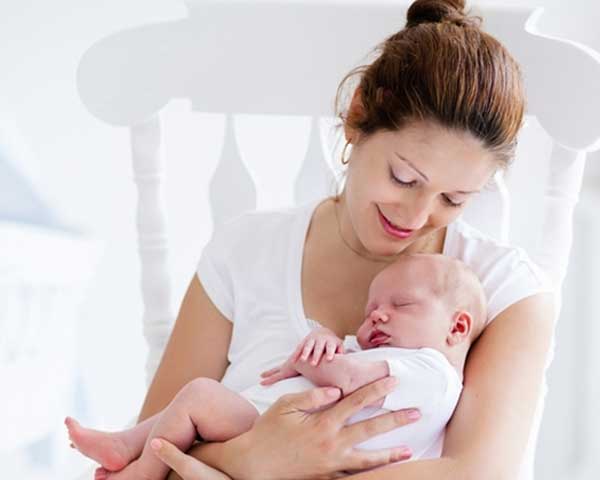
- Bonding with your baby: Take time for skin-to-skin contact, cuddles, and quiet moments. Every woman's pace is different.
- Self-care: Prioritize rest, healthy meals, hydration, and gentle exercise. Don't hesitate to ask for help.
Practical Tips
- Rest and sleep: This is crucial for both physical and emotional recovery. Delegate tasks and allow yourself to sleep.
- Nutrition and hydration: Eat a balanced diet rich in fruits, vegetables, and whole grains. Stay hydrated for milk production.
- Exercise: Gentle walks and light activity can improve mood, energy, and recovery. Start slowly and listen to your body.
- Support system: Lean on your partner, family, and friends for help with chores, emotional support, and advice.
- Postpartum checkups: Regular doctor visits are important for both you and your baby. They monitor health, answer questions, and offer guidance.